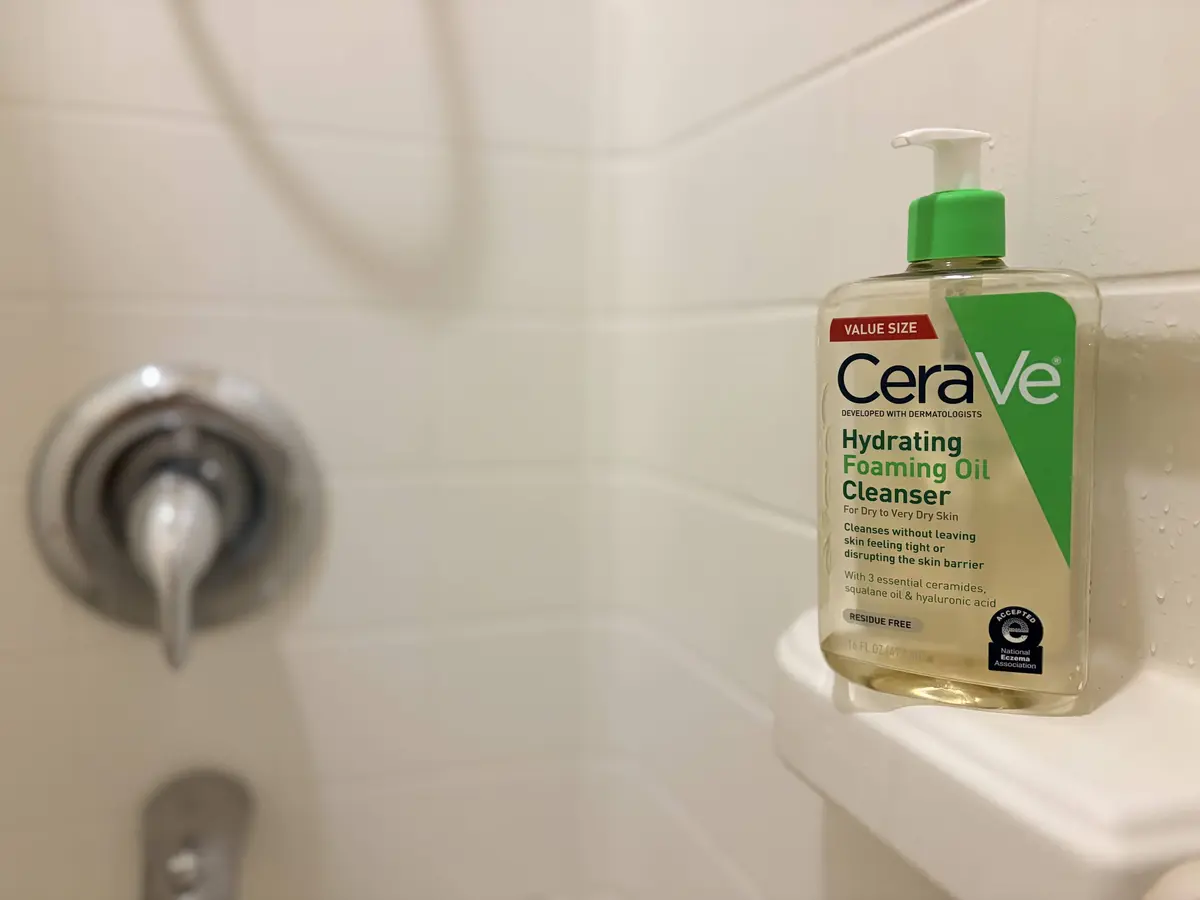
CeraVe Hydrating Foaming Oil Cleanser
My wife and I were at Target. While she checked out the makeup aisle, I wandered over to skincare with no real intention of buying anything. Then it hit me: I’d been wearing sunscreen every time and not really taking it off properly.
The CeraVe Hydrating Foaming Oil Cleanser caught my eye for one boring reason. It was cheap, genuinely cheap for an oil cleanser, and I already trusted the brand enough to not think twice. I grabbed it without expecting much. Now that the bottle’s nearly empty, I figure that’s enough runway to actually write this review.
TL;DR
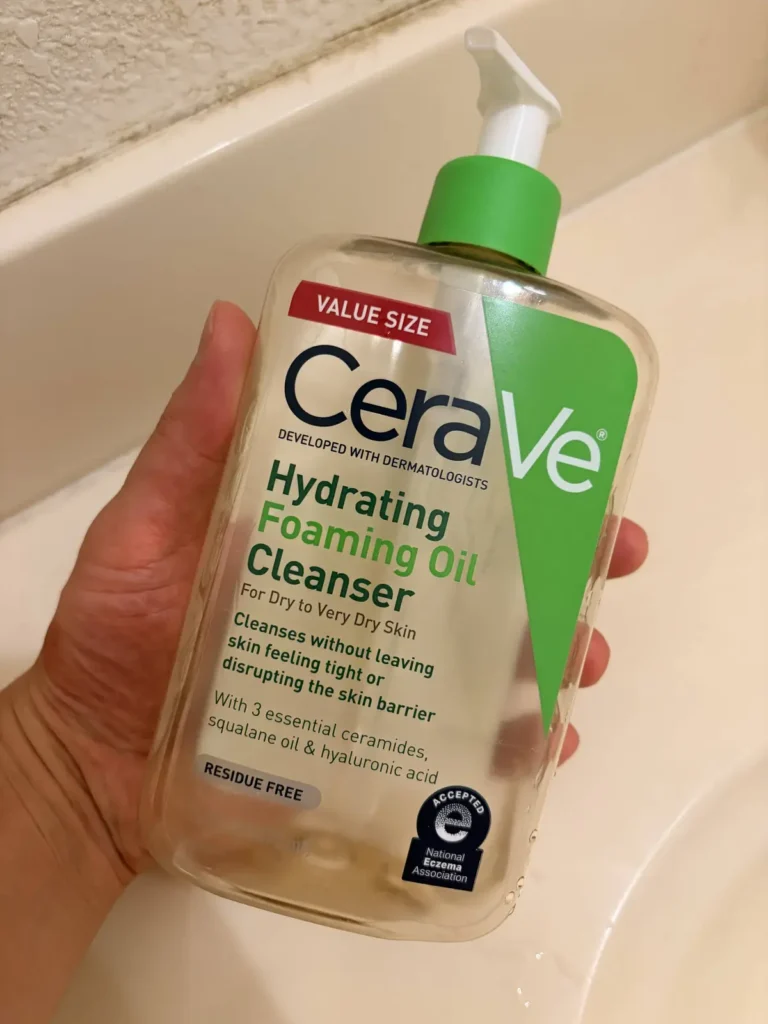
Type: Foaming oil cleanser. Yes, CeraVe Hydrating Foaming Oil Cleanser is oil based, and that’s exactly what makes it good at dissolving sunscreen and makeup.
Cleansing agents: Coco-Betaine along with Disodium and Sodium Cocoyl Glutamate, all mild surfactants chosen to clean without leaving that tight, stripped feeling afterward. More on this below.
About the ceramides: They’re in there, but a cleanser sits on your skin for maybe thirty seconds before you rinse it off. Don’t buy this expecting a moisturizing effect. I’ll get into why further down.
How long I used it: Through most of one bottle.
One-line take: Solid, mild cleansing agents at a fair price, but the ceramides are more of a marketing checkbox than something doing real work.
Full ingredient list
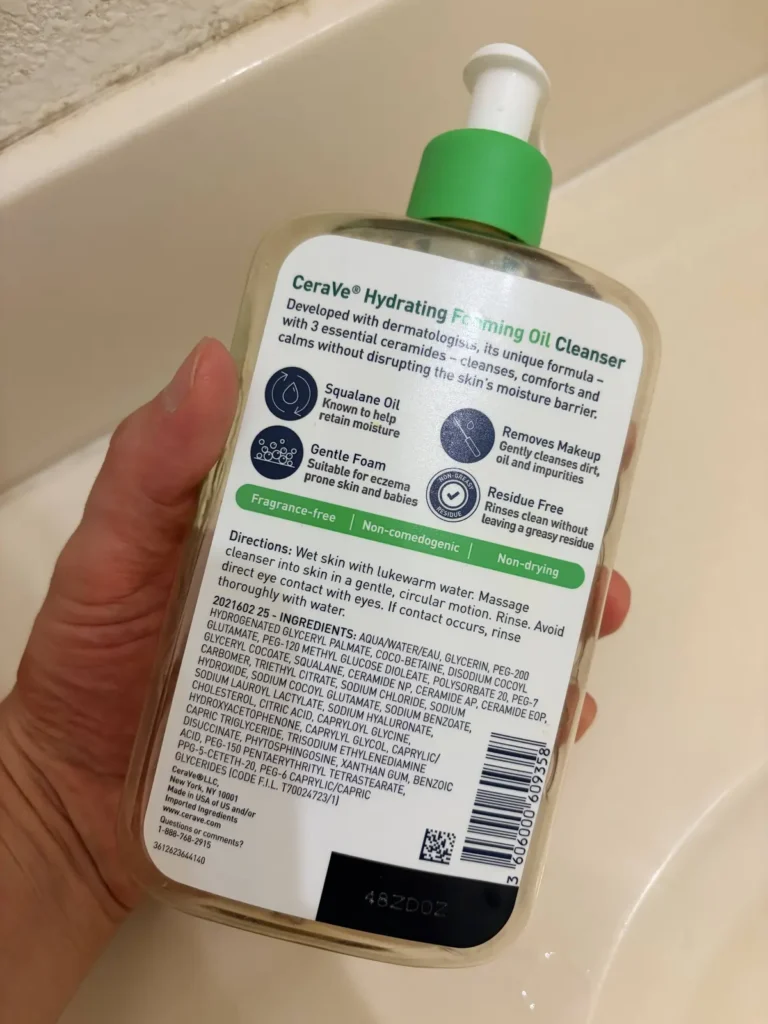
Aqua/Water, Glycerin, PEG-200 Hydrogenated Glyceryl Palmate, Coco-Betaine, Disodium Cocoyl Glutamate, PEG-120 Methyl Glucose Dioleate, Polysorbate 20, PEG-7 Glyceryl Cocoate, PEG-150 Pentaerythrityl Tetrastearate, PPG-5-Ceteth-20, PEG-6 Caprylic/Capric Glycerides, Squalane, Ceramide NP, Ceramide AP, Ceramide EOP, Carbomer, Triethyl Citrate, Sodium Chloride, Sodium Hydroxide, Sodium Cocoyl Glutamate, Sodium Lauroyl Lactylate, Sodium Hyaluronate, Cholesterol, Citric Acid, Capryloyl Glycine, Hydroxyacetophenone, Caprylyl Glycol, Caprylic/Capric Triglyceride, Trisodium Ethylenediamine Disuccinate, Phytosphingosine, Xanthan Gum, Benzoic Acid
You don’t need to memorize all thirty-plus of these. The next section only covers the ones that actually matter.
Which ingredients are doing the real work
The cleaning power comes from three ingredients
Coco-Betaine, Disodium Cocoyl Glutamate, and Sodium Cocoyl Glutamate. Long names, but simple story: one is a coconut-derived surfactant, and the other two are amino acid based surfactants.
A lot of cheap drugstore cleansers still lean on soap or Sodium Lauryl Sulfate (SLS), anionic surfactants known for swelling skin proteins and stripping away more lipid than your skin can afford to lose. That’s what causes the squeaky, tight feeling right after washing. Amino acid surfactants, by contrast, do less damage to proteins and lipids, which is exactly why they leave less of that tightness behind. That mildness is a big reason they’ve become more common in cleansers lately.
Ceramides are where the story gets more complicated
This is the part I actually want to talk about.
The marketing copy leans on three ceramides (NP, AP, EOP) plus cholesterol, phytosphingosine, and squalane, framed as barrier support. That’s a fair claim when these ingredients sit in a cream or lotion. The problem is this isn’t a cream. It’s a cleanser.
Rinse-off products struggle to deposit any meaningful amount of moisturizing ingredient onto skin, and that’s a well-documented limitation in the field, not a knock specific to this product. Real gains in skin hydration mostly come from leave-on products like toners and creams. So expecting ceramides in a cleanser to match what they’d do in a cream is asking too much of the format.
That doesn’t mean they’re doing nothing. Lipid ingredients in a cleanser can buffer the drying effect that happens during washing itself, and that part is genuinely supported. In other words, the ceramides here aren’t adding moisture so much as slowing down how much gets taken away. If you want ceramides actually pulling their weight, that job belongs to whatever you put on after, a toner or a cream.
What actually happened when I used it
No tightness after rinsing. That was the first thing I noticed.
I used to use cleansers that left my face feeling tight and stretched, and for a while I mistook that tightness for a sign the cleanser was “really working.” Looking back, all it was doing was stripping the lipids off. This one didn’t do that. Given what I just walked through on amino acid surfactants, that lines up with the theory. Nice to see the theory actually hold up on my own face.
No breakouts either. Not one stray bump the whole time. I’d half expected an oil cleanser to leave something behind in my pores, but that worry turned out to be unfounded. Still, mild and non-irritating wasn’t the whole point of buying this. Let me circle back to the actual reason I picked it up.
Does it actually take off sunscreen
Sunscreen removal was the entire reason I bought this. I’d realized I wasn’t washing it off properly, and that was the whole trigger for the purchase, so this was the part that mattered most.
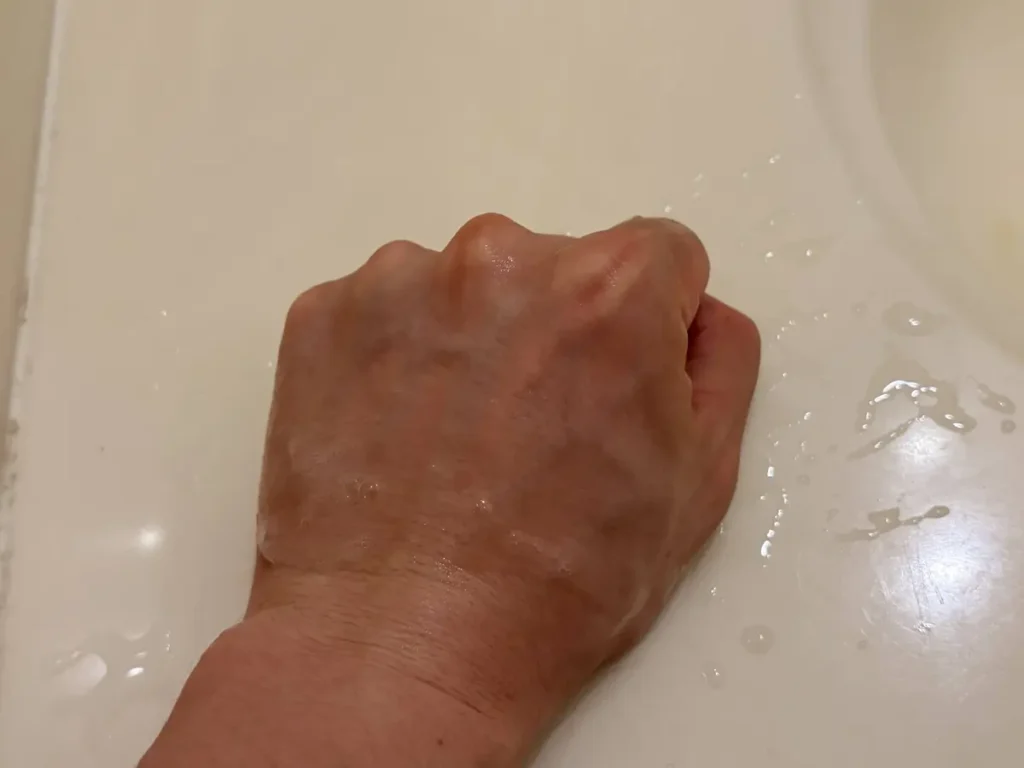
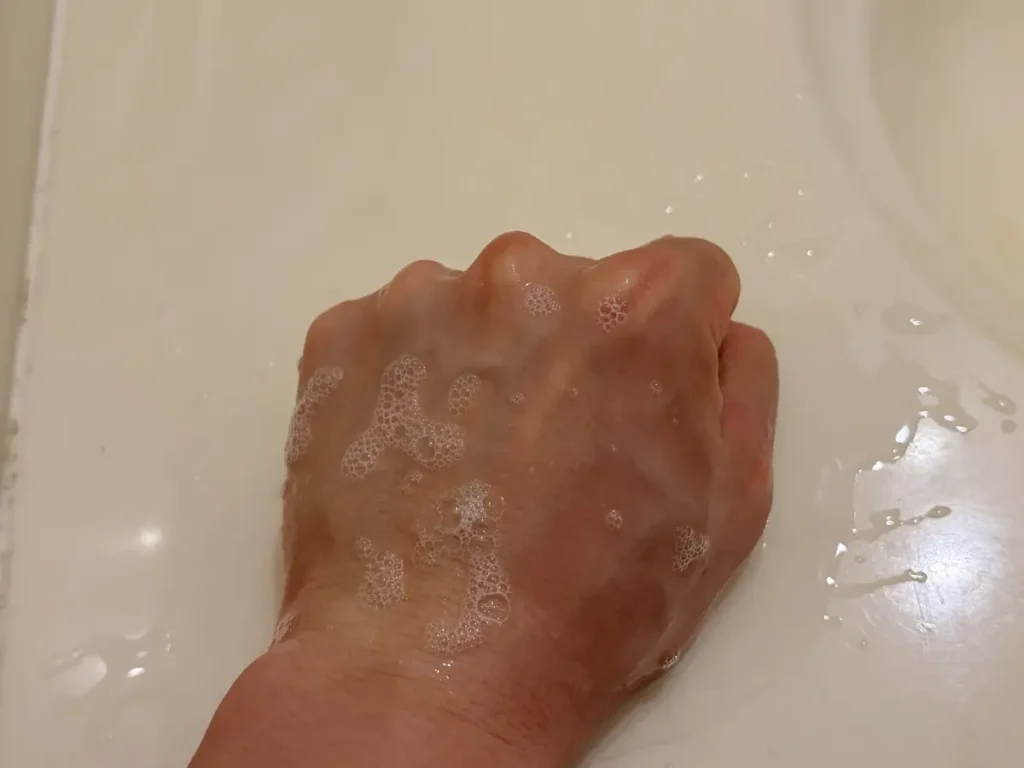
It held up. The oil mixes with the sunscreen’s oils and turns to foam the moment water hits it, and in that process the greasy residue on my face genuinely loosens up. After rinsing, my skin barely had any oily film left when I touched it.
At first I figured one step wouldn’t be enough on its own, so I added my usual mildly acidic foam cleanser as a second step. Oil cleanser to dissolve the sunscreen first, foam cleanser to clear whatever was left.
But after that combo, my skin felt oddly, almost aggressively clean. Not tight exactly, just too squeaky. I assumed that was a good sign at first. After a few days of repeating it, though, it started to feel off. The oil cleanser alone was already clearing out the sunscreen and oil fine, so stacking a foam cleanser on top was stripping more lipid than necessary.
So I dropped the second step and just used the oil cleanser by itself. That turned out better. Less of that squeaky finish, but no tightness either, and my skin felt more comfortable right after washing. On my skin, double cleansing was overkill. That’s specific to my skin, though. If you produce more oil or layer sunscreen thick, double cleansing might still be the right call for you.
I also tried it right after shaving. I was worried freshly irritated skin might sting or burn with something new on it, but nothing like that happened.
Pros and cons
Pros
- Amino acid surfactants make it gentler than sulfate-based cleansers
- No tightness after rinsing
- No breakouts over a whole bottle of use
Cons
- The ceramides are in there, but as a rinse-off product, don’t count on real moisturizing benefit from them
- In my experience, double cleansing on top of this actually over-cleanses. If your skin produces less oil, the oil cleanser alone might be plenty
- If you’re oily or wear heavy sunscreen, you’ll want to check for yourself whether this cleans thoroughly enough
Who this is for, and who should look elsewhere
Good fit if:
- You have dry or sensitive skin and tightness after cleansing has been a recurring problem. The amino acid surfactants avoid stripping lipids the way harsher cleansers do.
- Oil cleansers have triggered breakouts for you before. The mild surfactant blend here is built to lower that risk.
- You wear sunscreen daily but don’t want to commit to double cleansing. In my case, the oil cleanser alone handled it without tightness or leftover oil.
- You’d rather skip fragrance.
Look elsewhere if:
- You’re buying a cleanser hoping ceramides will moisturize your skin. That job belongs to a toner or cream instead.
- You have oily skin or wear heavy sunscreen. It’s not necessarily a bad fit as an oil cleanser for oily skin, but you’ll want to test the cleaning power yourself.
- Cleaning power is your top priority. This one leans toward gentleness over sheer cleansing strength.
Bottom line
Don’t buy this expecting the ceramides to do much. Buy it for the mild, reliable cleaning, and at this price, that part alone is worth it. Check the surfactant list before your next cleanser purchase, not just the hero ingredient on the front label.
Related Reading
If this review helped, the natural next question is what comes after cleansing. Washing your face is just step one, and if you’re curious what the rest of the routine looks like, Skincare Routine for Men: A Complete Guide (2026) walks through the full order from start to finish.
Affiliate Disclosure
This post contains affiliate links. If you purchase through one of these links, I may earn a small commission at no extra cost to you. All opinions here are based on my own personal experience and ingredient research.